

Can Too Much Screen Time Worsen My Child’s Nearsightedness?
TLDR
Excessive screen time may contribute to worsening nearsightedness (myopia) in children.
Symptoms include frequent squinting, headaches, and eye strain.
Treatments range from corrective glasses to specialized myopia management.
Prevention tips include regular eye exams and limiting screen time.
Consult a healthcare provider to tailor strategies for your child's eye health.

Are Regular School Vision Screenings Enough to Catch Eye Problems in Kids?
TLDR
School vision screenings are basic checks and not comprehensive.
They may miss conditions like amblyopia, strabismus, and astigmatism.
Comprehensive eye exams are more thorough, assessing overall eye health.
Early detection and treatment can prevent long-term vision issues.
Consult your healthcare provider for personalized advice.

How Can I Tell If My Child Has Trouble Seeing If They Don’t Complain?
TLDR
Children may not always express vision problems.
Look for signs like squinting, sitting too close to screens, or frequent headaches.
Regular comprehensive eye exams are crucial.
Treatment options include glasses, contact lenses, or vision therapy.
Consult your healthcare provider for personalized advice.
Prevention tips include limiting screen time and ensuring proper lighting.
Schedule regular eye check-ups with a trusted optometrist.
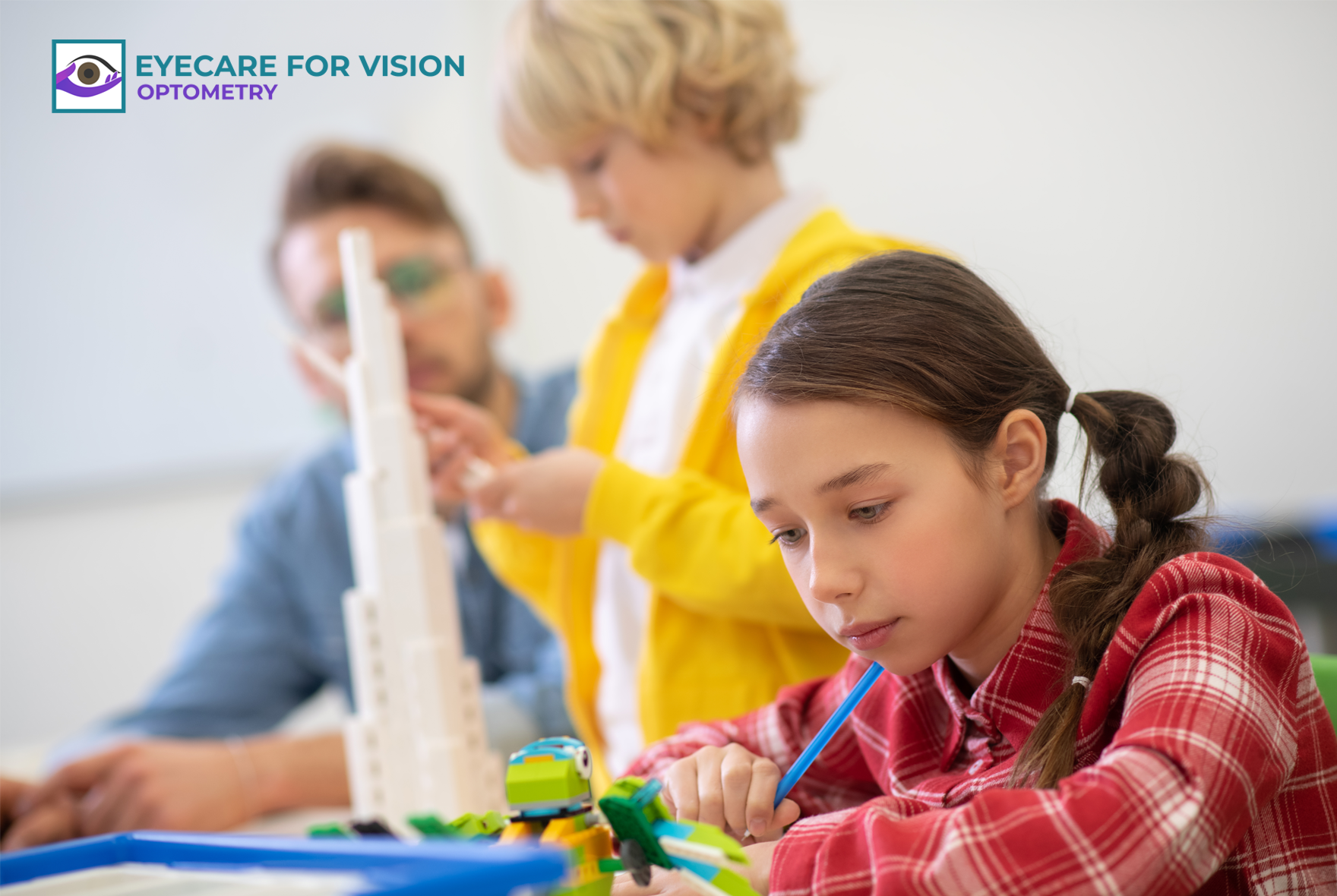
Can Undiagnosed Vision Problems Affect a Child’s Learning and Development?
TLDR
Vision problems can significantly impact a child's learning and development.
Symptoms may include difficulty reading, poor attention span, and frequent headaches.
Comprehensive eye exams in Rancho Bernardo are crucial for early detection.
Treatment options vary based on the condition but could include glasses or vision therapy.
Early detection and intervention can prevent long-term developmental issues.
Regular eye exams are recommended for early identification and management.

Can Children Outgrow Vision Problems Like Nearsightedness?
TLDR
Children can sometimes outgrow certain vision problems, but nearsightedness (myopia) often progresses during childhood.
Symptoms of nearsightedness include difficulty seeing distant objects, squinting, and eye strain.
Treatment options include corrective lenses, orthokeratology, and atropine drops, each with pros and cons.
Recent studies suggest lifestyle changes like outdoor activities may help slow myopia progression.
Regular comprehensive eye exams are critical for early detection and management.
Visit an optometrist if your child shows signs of vision problems.