
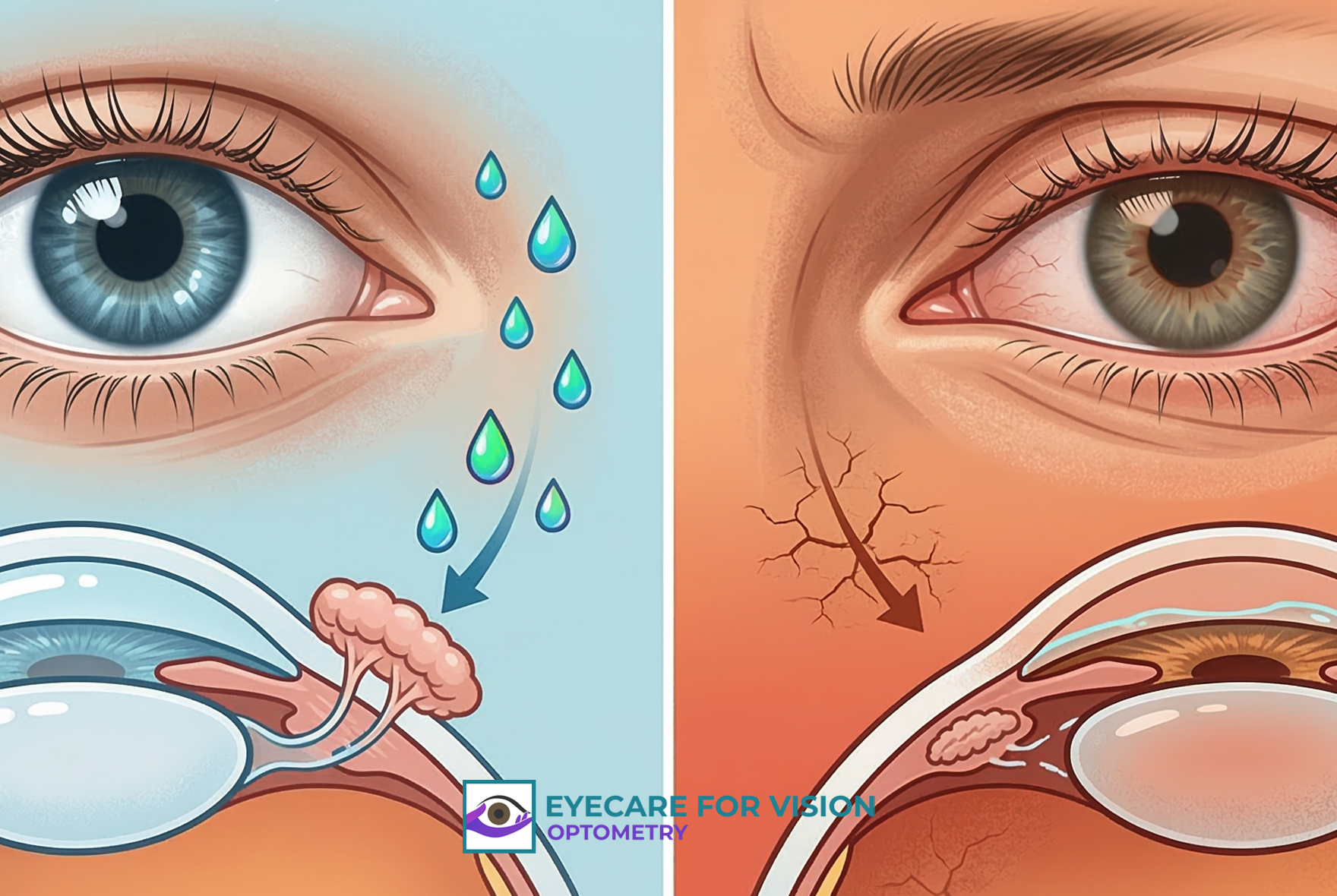
How Does Dehydration Impact Tear Production and Eye Comfort?
TLDR
• Dehydration can reduce tear production, leading to dry eyes.
• Dry eyes cause discomfort and increase the risk of eye infections.
• Stay hydrated and consider artificial tears for relief.
• See an optometrist for persistent dryness and irritation.

Why Do Some Medications Cause Dry Eyes or Blurred Vision?
TLDR
Some medications can contribute to dry eyes and blurred vision.
Dry eyes may cause discomfort and irritation.
Blurred vision can interfere with daily activities.
Professional evaluation helps identify causes and solutions.
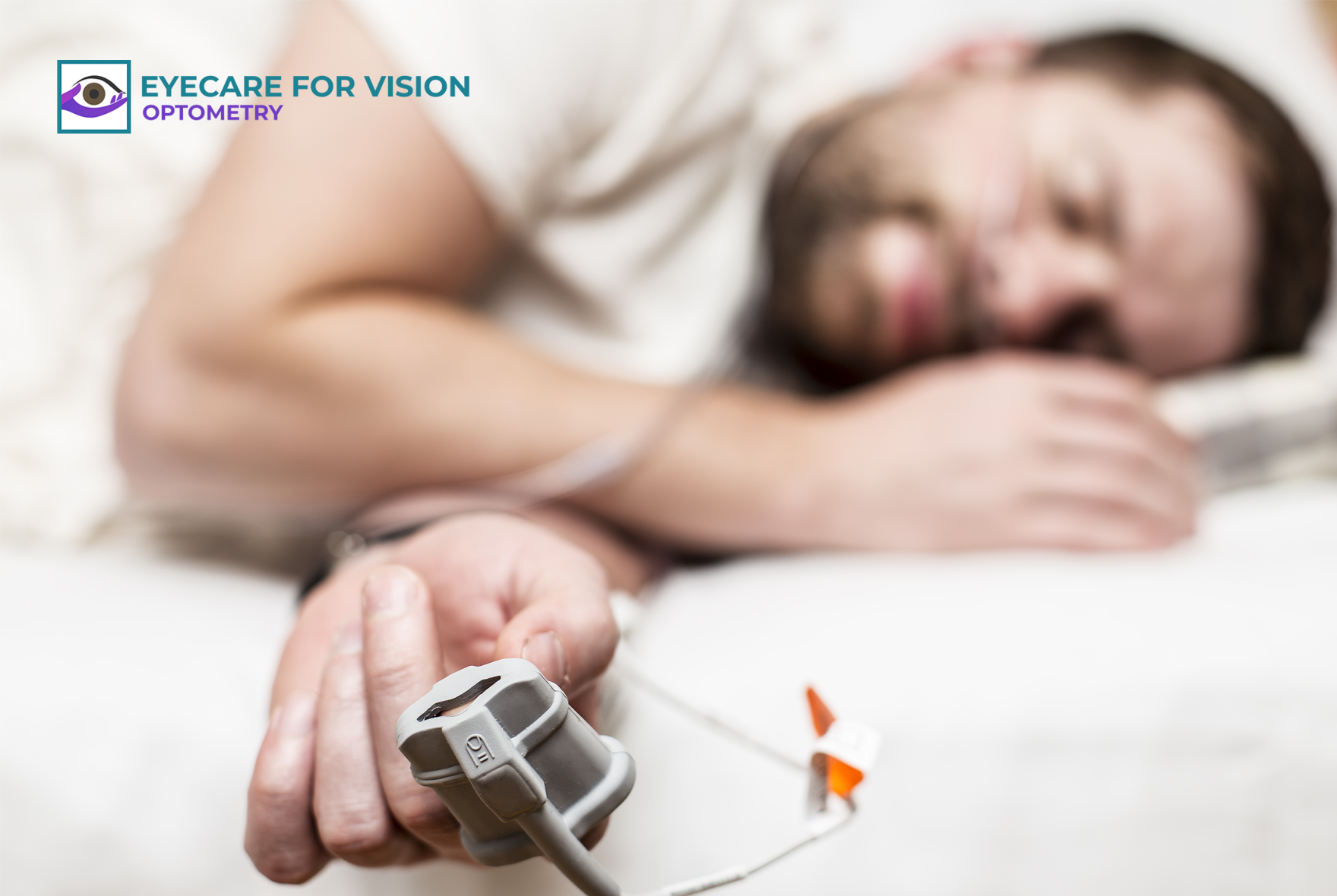
How Does Sleep Apnea Affect the Eyes?
TLDR
Sleep apnea can significantly impact eye health and vision.
Conditions such as glaucoma and dry eye syndrome are associated with sleep apnea.
Regular eye exams are essential for early detection and management.
Consult an optometrist for personalized care and treatment.

Why Do I Sometimes See Halos or Glare Around Lights at Night?
TLDR
Seeing halos or glare around lights at night is a common visual disturbance.
It can be caused by conditions such as cataracts, glaucoma, and dry eyes.
Treatment varies based on the underlying cause and can include prescription glasses, eye drops, or surgery.
Regular comprehensive eye exams in Rancho Bernardo can help detect underlying issues early.
Consult your healthcare provider if symptoms persist or worsen.
EyeCare For Vision Optometry offers personalized care for vision concerns.

Why Do My Eyes Water So Much, Even When They’re Not Dry?
TLDR
Excessive tearing when eyes aren't dry could be due to various conditions like allergies, infections, or blocked tear ducts.
Treatment options range from medications to minor surgeries, depending on the cause.
Regular eye exams are crucial for diagnosing underlying issues.
Prevention includes maintaining eye hygiene and using protective eyewear.
Contact a health professional if symptoms persist or worsen.
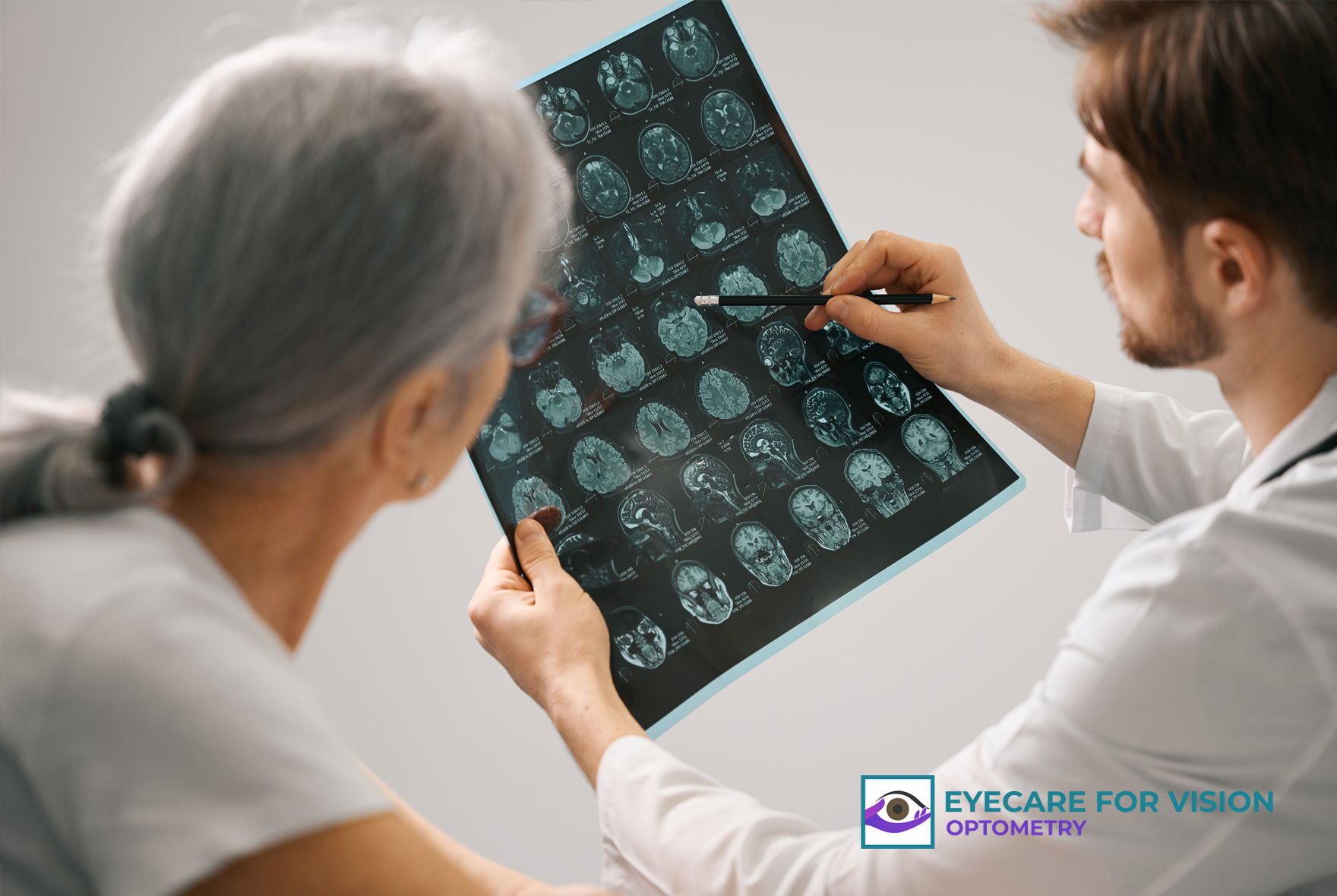
Can Eye Exams Detect Early Signs of Alzheimer’s Disease?
TLDR
Eye exams might detect Alzheimer's early by observing retinal changes.
Symptoms of Alzheimer's include memory loss and confusion.
Treatment focuses on managing symptoms rather than cure.
Eye health can hint at brain health; consult your healthcare provider.
Regular eye exams are important for overall health.

Can Thyroid Disease Affect Vision, and What Are the Warning Signs?
TLDR
Thyroid disease can significantly impact vision and eye health.
Common symptoms include bulging eyes, double vision, and dry eyes.
Treatment options vary from medication to surgery, each with its pros and cons.
Regular eye exams are crucial for early detection and management.
Lifestyle changes can help mitigate symptoms.
Consult your healthcare provider for personalized advice.