
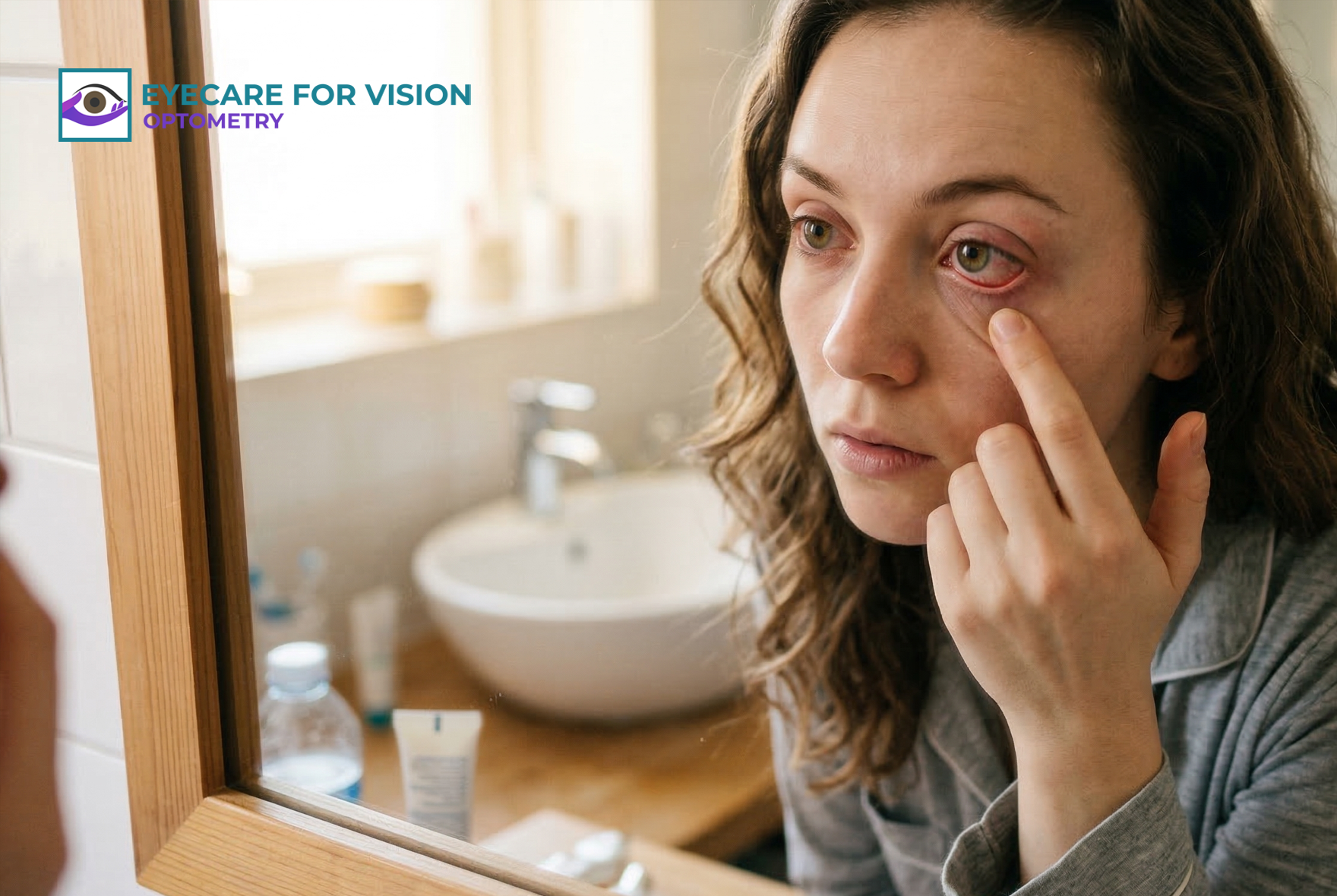
Why Are My Eyes Red in the Morning?
TLDR
Red eyes in the morning are common and often linked to dryness, allergies, or irritation.
Poor sleep, environmental factors, and eyelid inflammation can contribute to redness.
Symptoms may include dryness, itching, burning, or watery eyes.
Proper eye hygiene, improved sleep habits, and managing allergens can reduce redness.
Persistent redness or vision changes should be evaluated by an eye professional.
Regular Comprehensive Eye Exams help identify underlying causes and maintain eye health.

Why Do Some Medications Cause Dry Eyes or Blurred Vision?
TLDR
Some medications can contribute to dry eyes and blurred vision.
Dry eyes may cause discomfort and irritation.
Blurred vision can interfere with daily activities.
Professional evaluation helps identify causes and solutions.

Can Autoimmune Diseases Like Lupus or Rheumatoid Arthritis Damage Vision?
TLDR
Autoimmune diseases can affect eye health and vision.
Common symptoms include dry eyes, pain, and blurred vision.
Management requires personalized care and regular eye exams.
Early detection is crucial to prevent long-term vision damage.
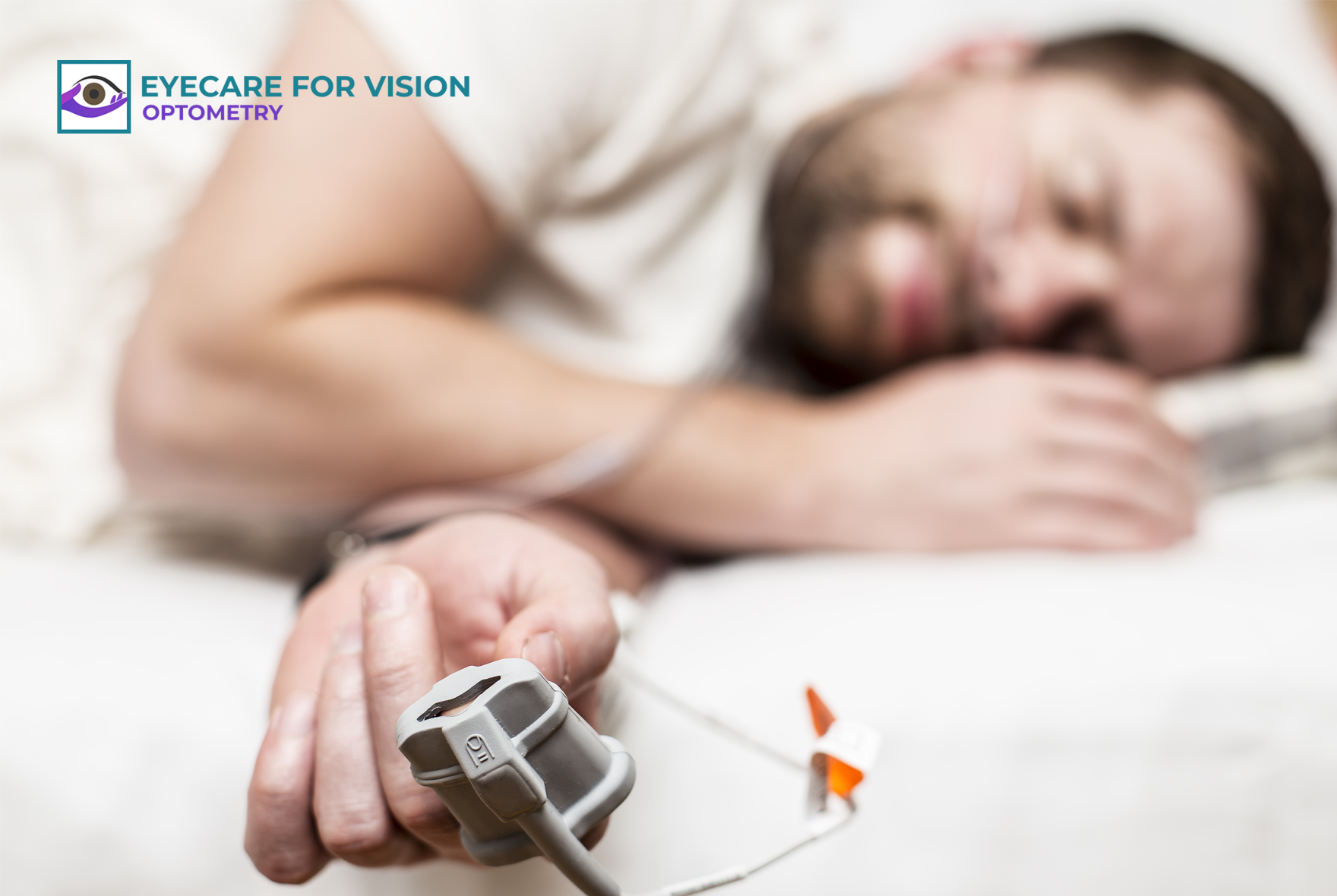
How Does Sleep Apnea Affect the Eyes?
TLDR
Sleep apnea can significantly impact eye health and vision.
Conditions such as glaucoma and dry eye syndrome are associated with sleep apnea.
Regular eye exams are essential for early detection and management.
Consult an optometrist for personalized care and treatment.

What Do Yellow Eyes Indicate About Liver or Overall Health?
TLDR
Yellow eyes often indicate jaundice linked to liver issues.
Common causes include hepatitis, liver disease, and bile duct obstruction.
Treatments vary depending on underlying causes.
Healthy lifestyle choices can support liver health.
Seek professional medical evaluation for any yellowing of the eyes.
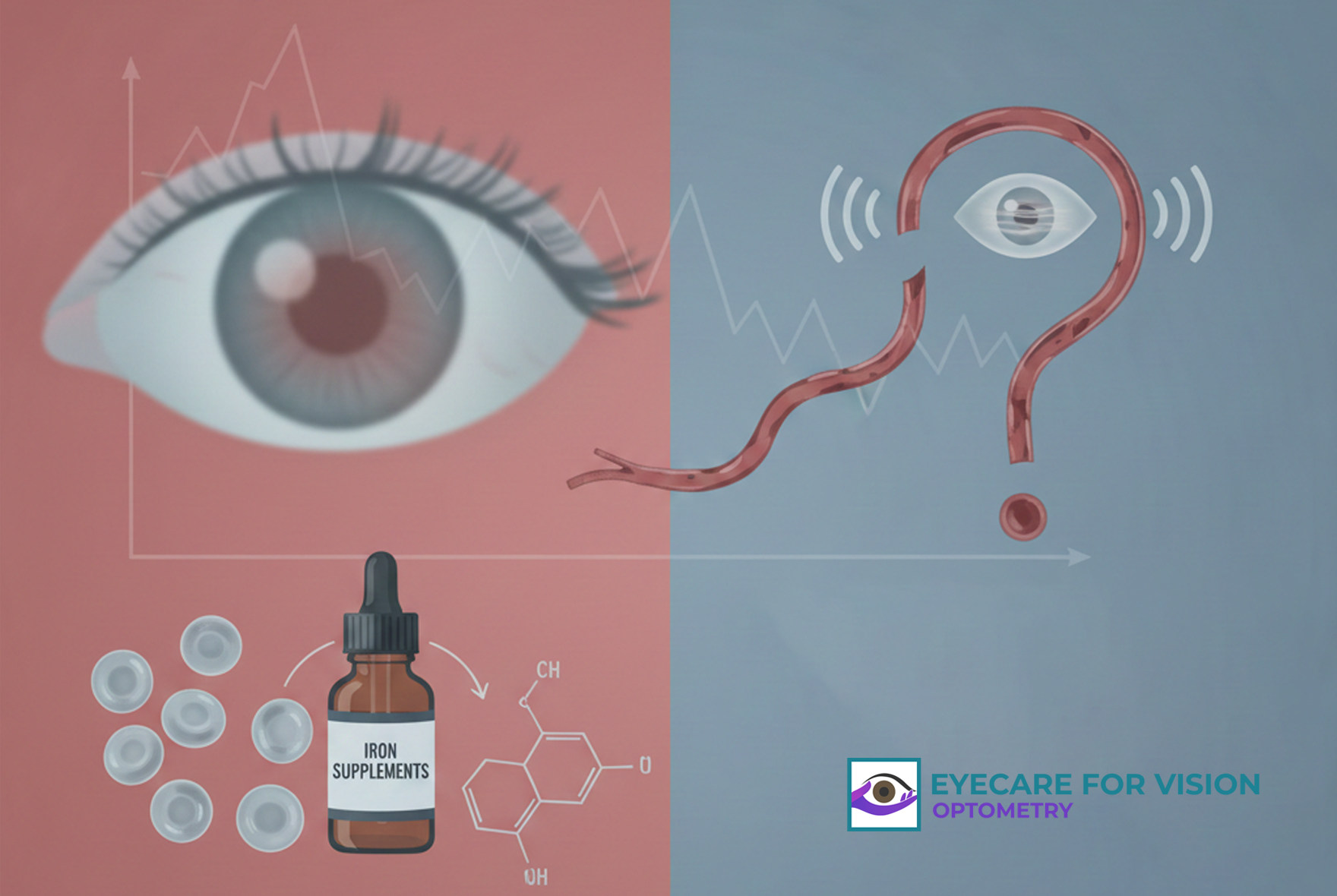
Can Anemia or Low Iron Levels Cause Vision Changes?
TLDR
Anemia can potentially affect vision and eye health.
Symptoms include fatigue, dizziness, and possible changes in vision.
Treatment involves proper diagnosis and addressing underlying causes.
Regular eye exams and a healthy lifestyle help reduce risks.

Can Head Injuries or Concussions Affect Vision Long-Term?
TLDR
Head injuries can impact vision and may lead to long-term symptoms.
Common symptoms include blurred vision, double vision, and light sensitivity.
Professional treatment helps manage symptoms and prevent complications.
Early consultation with a healthcare provider is essential for proper management.

What is optic neuritis, and how is it connected to neurological conditions?
TLDR
Optic neuritis is inflammation of the optic nerve affecting vision.
It can be linked to neurological conditions such as multiple sclerosis.
Symptoms include vision loss, pain, and color vision changes.
Early diagnosis and treatment are key to managing symptoms and underlying causes.
How Are Migraines Connected to Visual Disturbances or Aura?
TLDR
Migraines can cause visual disturbances known as auras.
Auras often appear as zigzag patterns or flashing lights.
Managing triggers and lifestyle changes can reduce migraine frequency.
Seek professional help if migraines disrupt daily life.

What Causes Temporary Vision Loss or Vision Dimming and How Can It Be Treated?
TLDR
Temporary vision loss can be caused by many factors, including migraines and eye strain.
Symptoms include sudden dimming, blurriness, or partial vision loss.
Management involves addressing underlying causes; consult a healthcare provider.
Prevention includes maintaining eye health through regular check-ups and lifestyle habits.

Can Eye Exams Reveal Signs of a Brain Tumor or Stroke?
TLDR
Eye exams can detect signs of brain tumors or strokes early.
Optometrists look for changes in the optic nerve and vision.
Regular eye exams are essential for early intervention.
Consult a healthcare provider if you experience unusual symptoms.

Can Hormonal Changes (Like Menopause) Affect My Eyes?
TLDR
Hormonal changes during menopause can significantly impact eye health.
Common symptoms include dry eyes, blurry vision, and increased risk of glaucoma.
Treatments vary from artificial tears to prescription medications.
Regular eye exams and lifestyle adjustments can help manage symptoms.
Recent studies highlight increasing prevalence of eye issues in menopausal women.
Consult your healthcare provider for personalized advice and treatment.

What Can Frequent Headaches Reveal About My Vision?
TLDR
Frequent headaches can be linked to various vision problems.
Potential causes include refractive errors, digital eye strain, and more serious conditions like glaucoma.
Consult a healthcare provider for a comprehensive eye exam.
Treatment options vary from corrective lenses to surgery, depending on the condition.
Prevention includes regular eye exams and ergonomic adjustments.
Recent studies show a correlation between digital device use and increased eye strain.

Can Eye Exams Help Detect Stroke Risk or Vascular Problems?
TLDR
Eye exams can reveal signs of stroke risk and vascular problems.
Conditions like hypertension, retinal artery occlusion, and diabetic retinopathy may be detected during an eye exam.
Comprehensive Eye Exams in Rancho Bernardo can aid in early detection and prevention.
Treatments vary from lifestyle changes to medical interventions.
Consult your healthcare provider if you notice vision changes or other concerning symptoms.

Are There Ways to Prevent Age-Related Vision Loss?
TLDR
Age-related vision loss can result from conditions such as cataracts, glaucoma, macular degeneration, and diabetic retinopathy.
Regular Comprehensive Eye Exams help detect changes early.
Maintain a healthy diet rich in nutrients like lutein, zeaxanthin, and vitamins C and E.
Avoid smoking and protect your eyes from UV exposure with quality sunglasses.
Manage diabetes and other chronic conditions with professional care.
Address issues like dry eyes or myopia early to prevent discomfort and further complications.
False eyelashes can interfere with proper eyelid evaluation and harbor mites such as Demodex.
Early detection and proactive care are key to preserving lifelong vision.

What Systemic Diseases Can a Comprehensive Eye Exam Detect?
TLDR
A comprehensive eye exam can detect systemic diseases such as diabetes, hypertension, autoimmune disorders, and high cholesterol.
Diabetes-related changes in the retina can be identified early, helping prevent severe vision loss.
Hypertension can be detected through changes in the blood vessels of the eye.
Autoimmune disorders may first show symptoms in the eyes, including dryness and sensitivity to light.
High cholesterol can present as deposits on the eyelids or corneal rings.
Latest research suggests potential links between retinal changes and early signs of Alzheimer’s.
Regular exams are critical for prevention, early detection, and long-term health monitoring.