
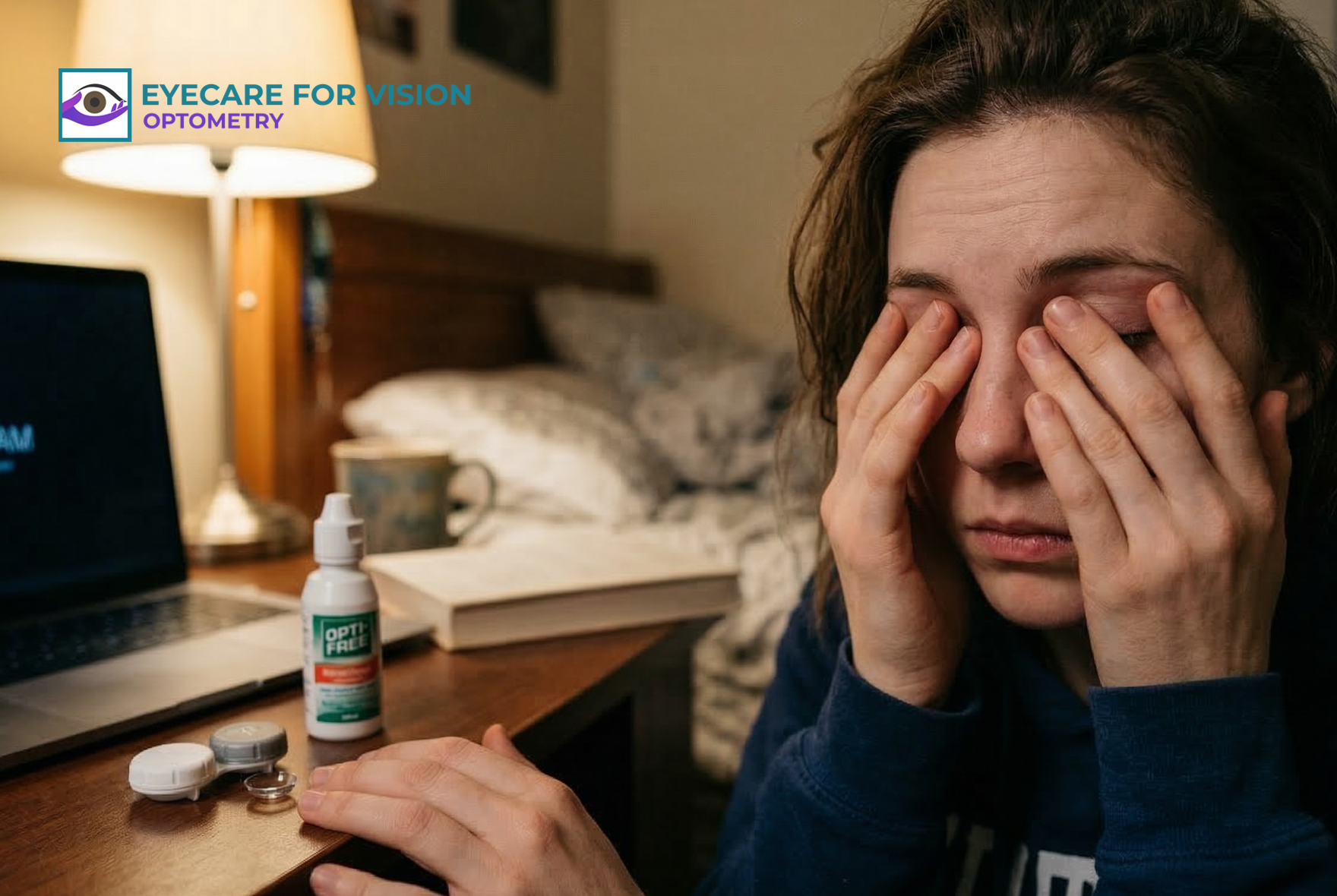
Why Do My Eyes Hurt When I Wear Contact Lenses Too Long?
TLDR
Wearing contact lenses too long can cause eye discomfort and irritation.
Symptoms may include dryness, redness, blurred vision, and light sensitivity.
Contact lenses can reduce oxygen reaching the cornea if worn longer than recommended.
Removing lenses and giving the eyes time to recover often improves symptoms.
Proper hygiene and following wear schedules help prevent complications.
If pain, redness, or vision changes persist, seek professional eye care.
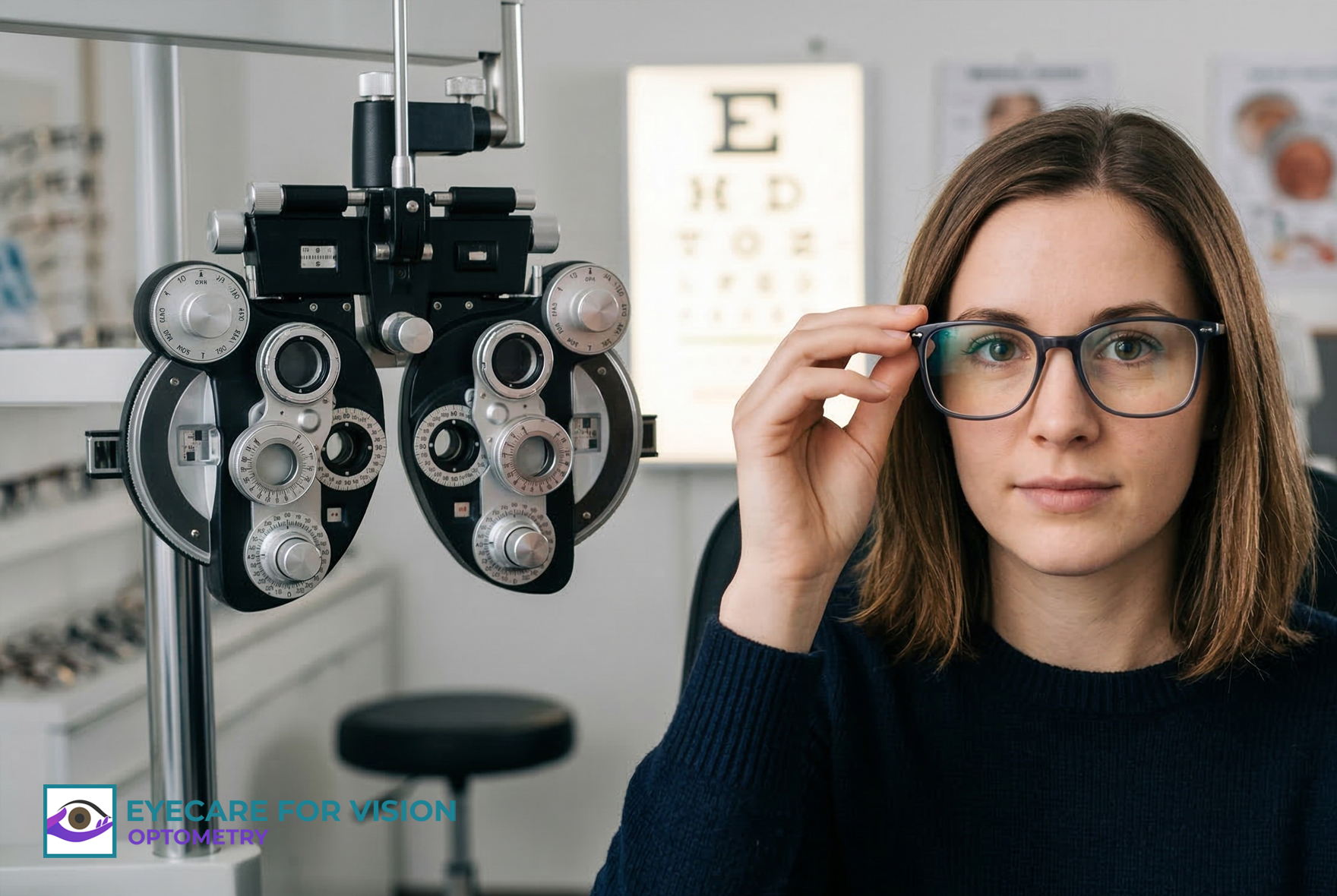
Is it Normal to Have Different Prescriptions in Each Eye?
TLDR
• Having different prescriptions in each eye is common and usually normal.
• Causes include astigmatism, myopia, hyperopia, and eye health conditions.
• Regular eye exams can help monitor and adjust prescriptions as needed.
• Consult an optometrist if you notice vision changes or discomfort.

What Can Frequent Headaches Reveal About My Vision?
TLDR
Frequent headaches can be linked to various vision problems.
Potential causes include refractive errors, digital eye strain, and more serious conditions like glaucoma.
Consult a healthcare provider for a comprehensive eye exam.
Treatment options vary from corrective lenses to surgery, depending on the condition.
Prevention includes regular eye exams and ergonomic adjustments.
Recent studies show a correlation between digital device use and increased eye strain.

Are Regular Eye Exams Important Even After Cataract or LASIK Surgery?
TLDR
Regular eye exams remain crucial post-surgery.
Cataract and LASIK surgery don't prevent future eye issues.
Exams help detect conditions like glaucoma and diabetic retinopathy.
Post-surgery, visual changes can occur and need monitoring.
Consult your healthcare provider for personalized advice.

Can Eye Drops Really Help You Read Fine Print Without Glasses?
TLDR
New prescription eye drops can temporarily improve near vision without glasses or contact lenses.
Works within 20 minutes of application and lasts up to 8–10 hours.
Perfect for social events, travel, or beach days when you prefer to go without eyewear.
Safe and convenient when prescribed under professional guidance.
Visit EyeCare For Vision Optometry to check if you’re a good candidate.

Why Does My Close-Up Vision Get Worse as I Get Older?
TLDR
Aging affects close-up vision due to presbyopia, a natural condition where the eye's lens stiffens.
Symptoms include difficulty focusing on close objects, eye strain, and headaches.
Treatment options include reading glasses, bifocals, and contact lenses, each with pros and cons.
Prevention includes regular eye exams and eye health maintenance.
Consult your healthcare provider if you notice changes in vision.

What’s the Difference Between an Ophthalmologist, an Optometrist, and an Optician?
TLDR
Ophthalmologists: Medical doctors specializing in eye surgery and complex eye diseases.
Optometrists: Primary eye care professionals focusing on vision correction and comprehensive eye exams.
Opticians: Technicians who fit glasses and contact lenses based on prescriptions.
Visit a trusted optometrist in Rancho Bernardo for routine eye care.
Consult your healthcare provider for specific medical advice.