
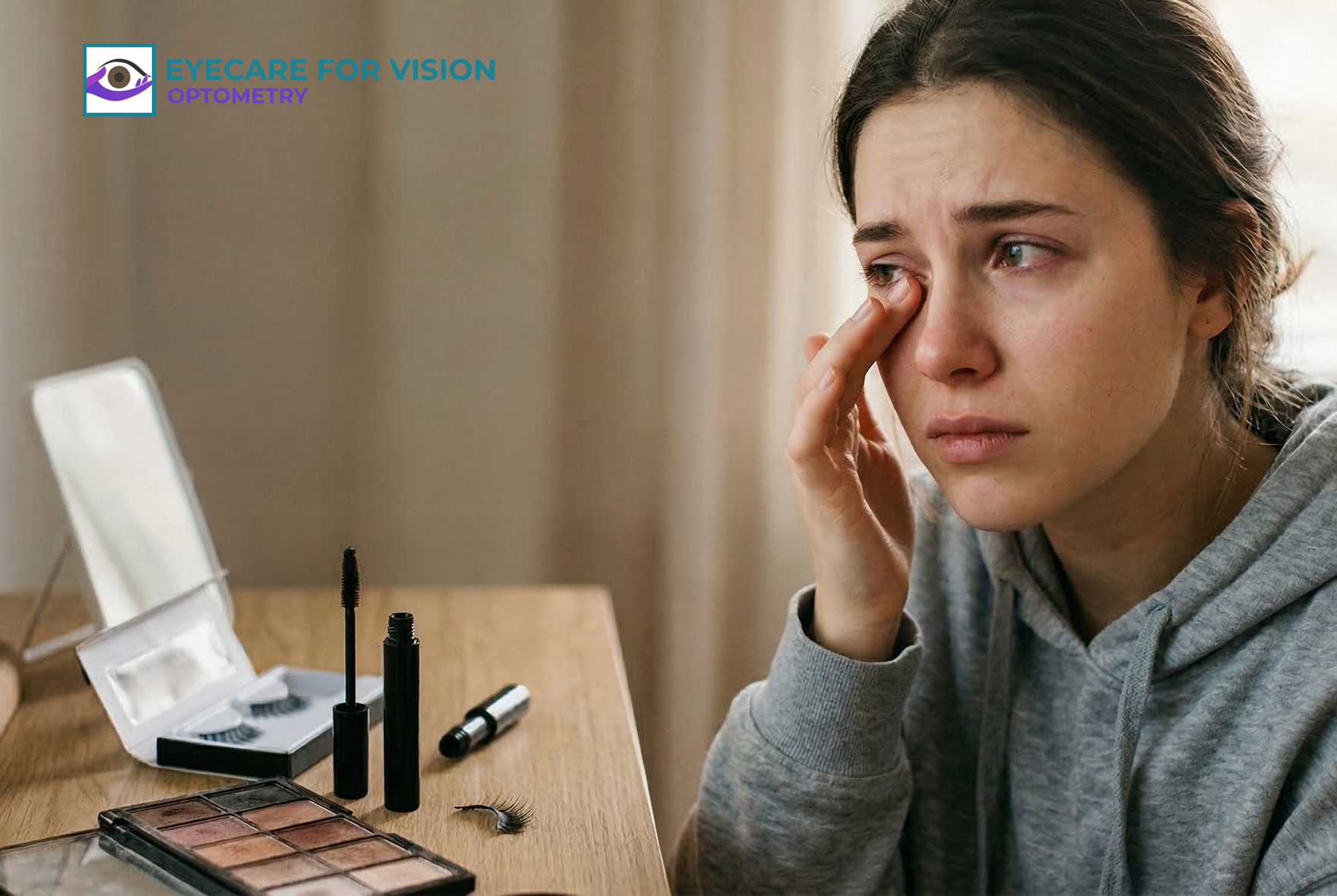
Why Do My Eyes Burn or Itch After Using Makeup or False Eyelashes?
TLDR
• Eye makeup can cause irritation due to allergens or chemicals.
• False eyelashes may lead to infections or allergic reactions.
• Proper hygiene and makeup choice can help prevent discomfort.
• Consult a professional if symptoms persist or worsen.

Can Autoimmune Diseases Like Lupus or Rheumatoid Arthritis Damage Vision?
TLDR
Autoimmune diseases can affect eye health and vision.
Common symptoms include dry eyes, pain, and blurred vision.
Management requires personalized care and regular eye exams.
Early detection is crucial to prevent long-term vision damage.

Can Head Injuries or Concussions Affect Vision Long-Term?
TLDR
Head injuries can impact vision and may lead to long-term symptoms.
Common symptoms include blurred vision, double vision, and light sensitivity.
Professional treatment helps manage symptoms and prevent complications.
Early consultation with a healthcare provider is essential for proper management.

What is optic neuritis, and how is it connected to neurological conditions?
TLDR
Optic neuritis is inflammation of the optic nerve affecting vision.
It can be linked to neurological conditions such as multiple sclerosis.
Symptoms include vision loss, pain, and color vision changes.
Early diagnosis and treatment are key to managing symptoms and underlying causes.
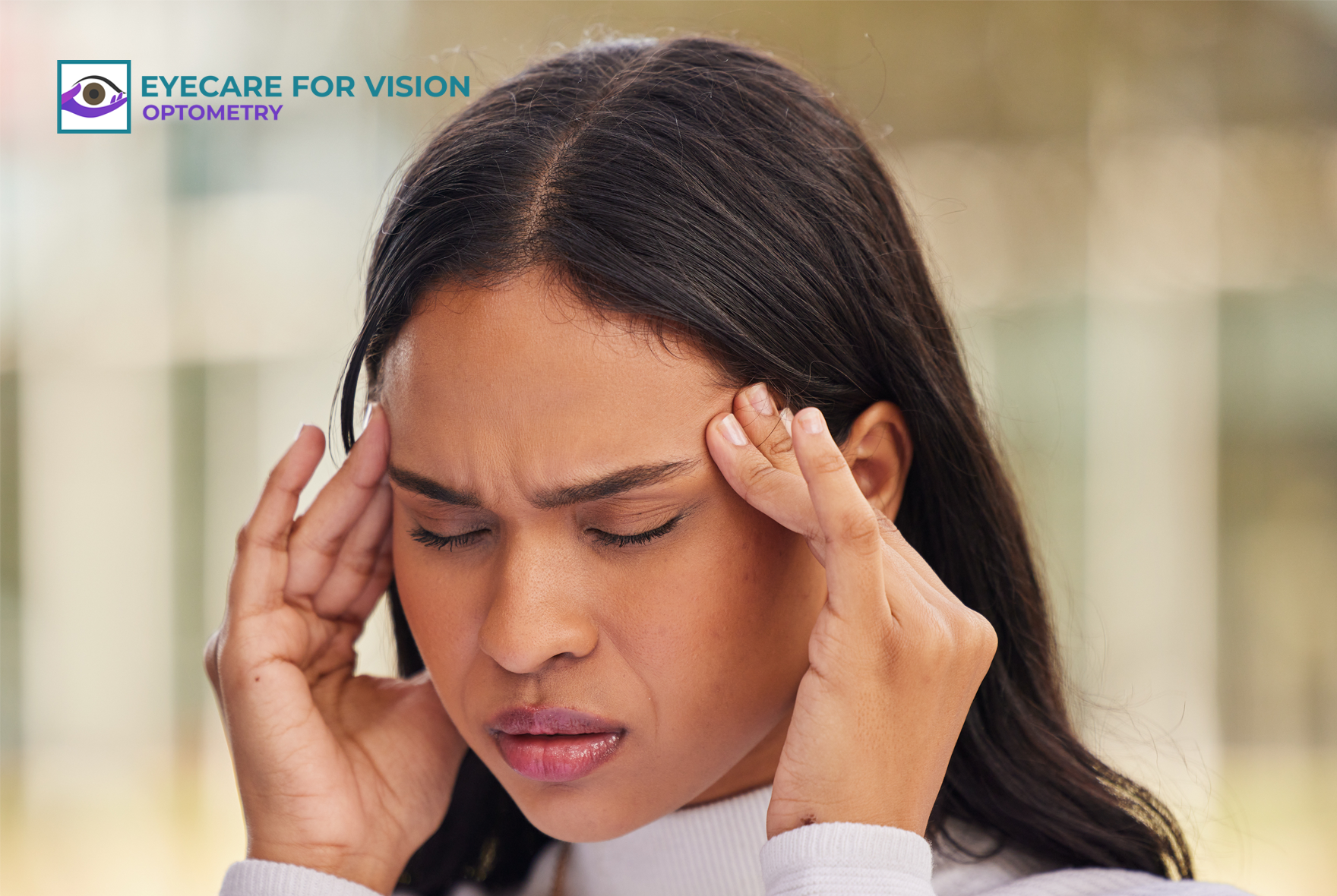
How Are Migraines Connected to Visual Disturbances or Aura?
TLDR
Migraines can cause visual disturbances known as auras.
Auras often appear as zigzag patterns or flashing lights.
Managing triggers and lifestyle changes can reduce migraine frequency.
Seek professional help if migraines disrupt daily life.

What Causes Temporary Vision Loss or Vision Dimming and How Can It Be Treated?
TLDR
Temporary vision loss can be caused by many factors, including migraines and eye strain.
Symptoms include sudden dimming, blurriness, or partial vision loss.
Management involves addressing underlying causes; consult a healthcare provider.
Prevention includes maintaining eye health through regular check-ups and lifestyle habits.

What’s the Difference Between Normal Aging of the Eye and Disease?
TLDR
Normal Aging: Includes presbyopia, reduced tear production, and slight color vision changes.
Eye Diseases: Glaucoma, cataracts, and age-related macular degeneration (AMD) are common.
Symptoms: Blurry vision, eye pain, and vision loss could signal disease.
Treatment: Varies from lifestyle changes to surgery; consult a professional.
Prevention: Healthy diet, UV protection, and regular eye exams help maintain eye health.
Consultation: See a doctor if you notice changes in vision or discomfort.

What’s the Difference Between an Ophthalmologist, an Optometrist, and an Optician?
TLDR
Ophthalmologists: Medical doctors specializing in eye surgery and complex eye diseases.
Optometrists: Primary eye care professionals focusing on vision correction and comprehensive eye exams.
Opticians: Technicians who fit glasses and contact lenses based on prescriptions.
Visit a trusted optometrist in Rancho Bernardo for routine eye care.
Consult your healthcare provider for specific medical advice.