
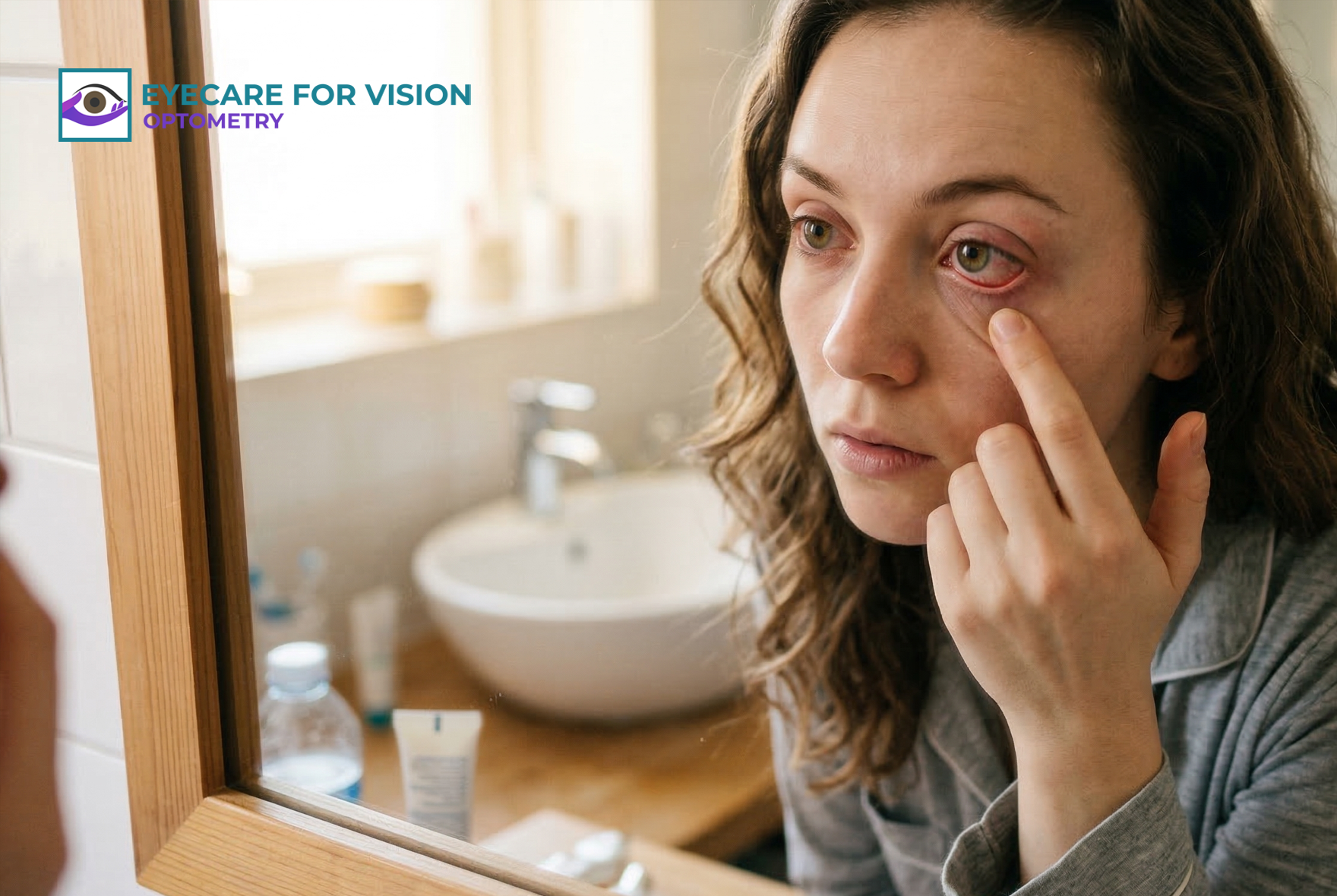
Why Are My Eyes Red in the Morning?
TLDR
Red eyes in the morning are common and often linked to dryness, allergies, or irritation.
Poor sleep, environmental factors, and eyelid inflammation can contribute to redness.
Symptoms may include dryness, itching, burning, or watery eyes.
Proper eye hygiene, improved sleep habits, and managing allergens can reduce redness.
Persistent redness or vision changes should be evaluated by an eye professional.
Regular Comprehensive Eye Exams help identify underlying causes and maintain eye health.
Can Anemia or Low Iron Levels Cause Vision Changes?
TLDR
Anemia can potentially affect vision and eye health.
Symptoms include fatigue, dizziness, and possible changes in vision.
Treatment involves proper diagnosis and addressing underlying causes.
Regular eye exams and a healthy lifestyle help reduce risks.

What Are the Early Signs of Lazy Eye (Amblyopia) Parents Should Watch For?
TLDR
Lazy eye (amblyopia) manifests as poor vision in one eye that doesn’t improve with glasses or contact lenses.
Symptoms include noticeable eye turn, poor depth perception, and squinting.
Early detection through comprehensive eye exams is crucial.
Treatment options vary from corrective eyewear to surgery.
Consult your healthcare provider if you notice symptoms.
Routine eye care and early intervention can prevent and manage amblyopia.

How Does Blue Light From Phones and Computers Affect the Eyes?
TLDR
Blue light is emitted by digital screens and can lead to digital eye strain.
Symptoms include eye discomfort, headaches, and sleep disturbances.
Preventive measures include screen time management and blue light filters.
Consult a provider for personalized advice and potential treatments.
Regular eye exams are crucial for maintaining eye health.

Are Floaters Always Harmless, or Can They Mean Something Serious?
TLDR
Eye floaters are small moving spots that appear in your field of vision.
They are often harmless but can indicate serious conditions.
Common causes include aging and vitreous detachment.
Urgent symptoms necessitate a comprehensive eye exam in Rancho Bernardo.
Treatment varies; surgery is rare and reserved for severe cases.
Recent studies show that sudden increases in floaters should be evaluated promptly.
Consult your healthcare provider for personalized advice.

Are There Vitamins or Supplements That Really Help My Vision?
TLDR
• Certain vitamins and supplements may support eye health.
• Key nutrients include Vitamin A, Vitamin C, Vitamin E, Zinc, and Omega-3 fatty acids.
• Conditions like Age-related Macular Degeneration (AMD) may benefit from specific supplements.
• Consult your healthcare provider before starting any supplement regimen.
• Comprehensive eye exams are crucial for early detection of eye conditions.

What Does Dilated Pupil Screening Test For, and Why Is It Necessary?
TLDR
Dilated pupil screening is crucial for comprehensive eye exams.
It helps detect conditions like glaucoma, diabetic retinopathy, and macular degeneration.
Essential for managing pediatric myopia and dry eyes.
Consult your healthcare provider for personalized advice.
Regular screenings recommended for early detection and treatment.
Schedule an appointment with EyeCare For Vision Optometry for expert care.

What Systemic Diseases Can a Comprehensive Eye Exam Detect?
TLDR
A comprehensive eye exam can detect systemic diseases such as diabetes, hypertension, autoimmune disorders, and high cholesterol.
Diabetes-related changes in the retina can be identified early, helping prevent severe vision loss.
Hypertension can be detected through changes in the blood vessels of the eye.
Autoimmune disorders may first show symptoms in the eyes, including dryness and sensitivity to light.
High cholesterol can present as deposits on the eyelids or corneal rings.
Latest research suggests potential links between retinal changes and early signs of Alzheimer’s.
Regular exams are critical for prevention, early detection, and long-term health monitoring.