
How can I protect my eyes from long-term sun exposure?
TLDR
Long-term sun exposure can damage the eyes and affect vision over time.
UV rays are linked to conditions such as cataracts and macular degeneration.
Wearing UV-protective sunglasses and hats helps reduce risk.
Limiting sun exposure during peak hours protects eye health.
Regular Comprehensive Eye Exams are essential for early detection.
Consult an eye professional for personalized prevention strategies.
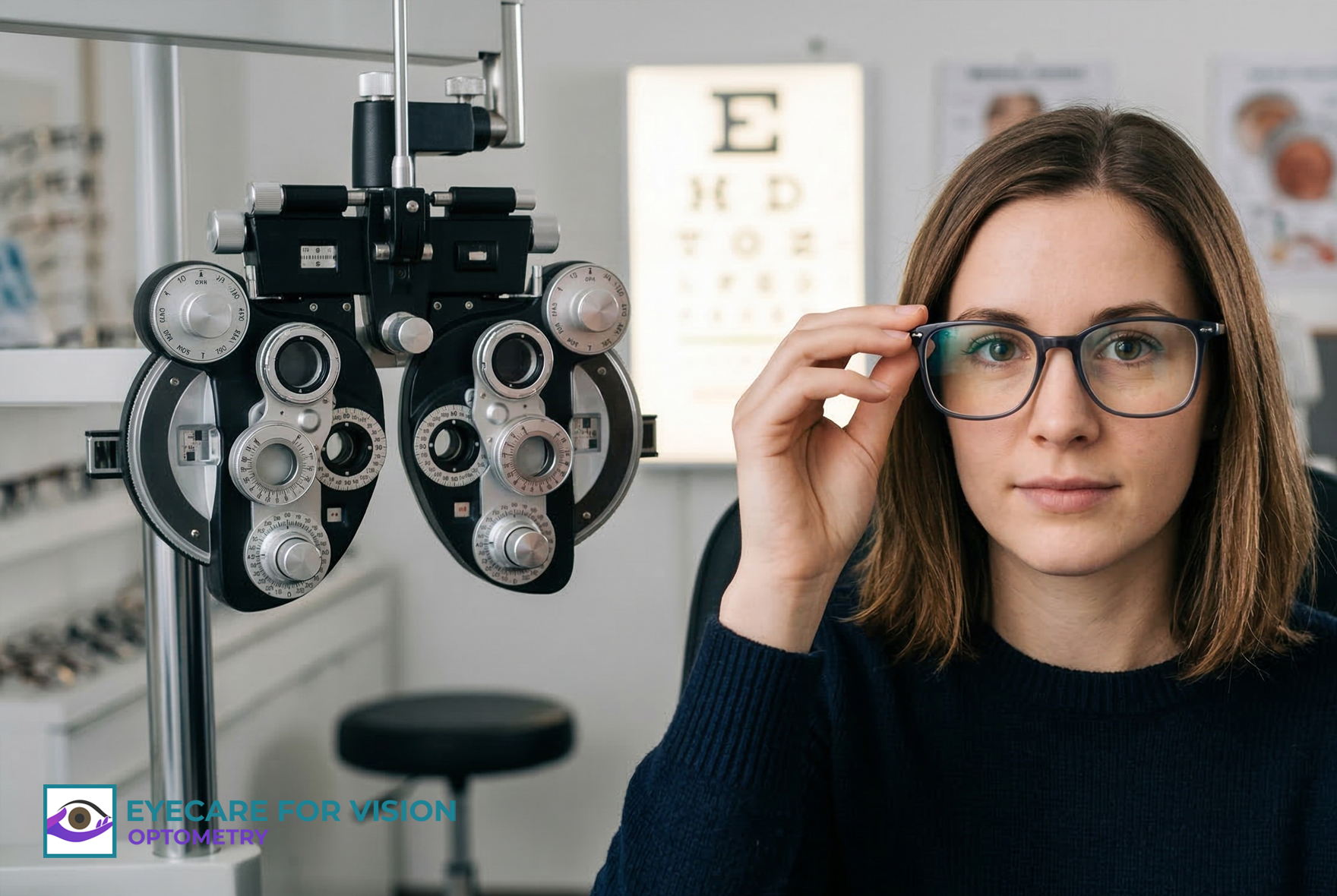
Is it Normal to Have Different Prescriptions in Each Eye?
TLDR
• Having different prescriptions in each eye is common and usually normal.
• Causes include astigmatism, myopia, hyperopia, and eye health conditions.
• Regular eye exams can help monitor and adjust prescriptions as needed.
• Consult an optometrist if you notice vision changes or discomfort.
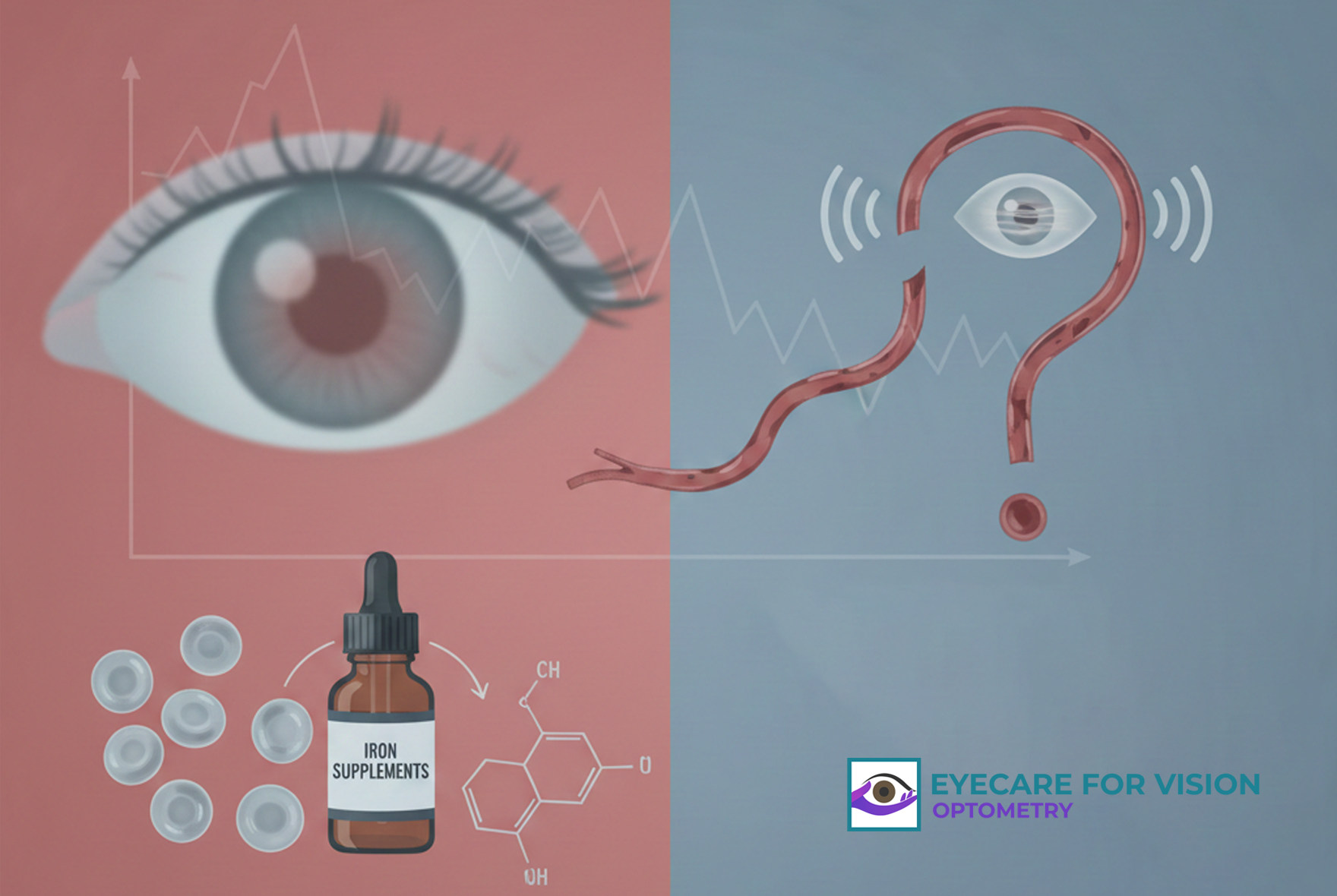
Can Anemia or Low Iron Levels Cause Vision Changes?
TLDR
Anemia can potentially affect vision and eye health.
Symptoms include fatigue, dizziness, and possible changes in vision.
Treatment involves proper diagnosis and addressing underlying causes.
Regular eye exams and a healthy lifestyle help reduce risks.

What’s the Difference Between Normal Aging of the Eye and Disease?
TLDR
Normal Aging: Includes presbyopia, reduced tear production, and slight color vision changes.
Eye Diseases: Glaucoma, cataracts, and age-related macular degeneration (AMD) are common.
Symptoms: Blurry vision, eye pain, and vision loss could signal disease.
Treatment: Varies from lifestyle changes to surgery; consult a professional.
Prevention: Healthy diet, UV protection, and regular eye exams help maintain eye health.
Consultation: See a doctor if you notice changes in vision or discomfort.

How Can I Tell If My Child Has Trouble Seeing If They Don’t Complain?
TLDR
Children may not always express vision problems.
Look for signs like squinting, sitting too close to screens, or frequent headaches.
Regular comprehensive eye exams are crucial.
Treatment options include glasses, contact lenses, or vision therapy.
Consult your healthcare provider for personalized advice.
Prevention tips include limiting screen time and ensuring proper lighting.
Schedule regular eye check-ups with a trusted optometrist.

What Happens if I Skip My Annual Eye Exam?
TLDR
Annual eye exams are crucial for detecting vision problems early.
Skipping exams can lead to undetected eye conditions like glaucoma or diabetic retinopathy.
Early detection aids in better management and treatment.
Comprehensive eye exams offer a holistic view of your eye health.
Consult your healthcare provider if you notice any changes in your vision.

Can Stress or Anxiety Affect My Vision?
TLDR
• Stress and anxiety can affect vision through eye strain, blurred vision, or headaches.
• Symptoms include dry eyes, sensitivity to light, and twitching.
• Treatment includes stress management, regular eye exams, and lifestyle changes.
• Recent studies show a link between stress and eye health.
• Consult your healthcare provider for personalized advice.

What is Computer Vision Syndrome (Digital Eye Strain), and How Can I Prevent It?
TLDR
Computer Vision Syndrome (CVS): A condition caused by prolonged digital screen use resulting in eye discomfort.
Symptoms: Eye strain, headaches, blurred vision, dry eyes, and neck/shoulder pain.
Prevention Tips: Follow the 20-20-20 rule, use anti-glare screens, maintain proper posture.
When to See a Doctor: Persistent symptoms affecting daily life.
Treatment Options: Prescription glasses, eye drops, ergonomic adjustments.
Research Update: Recent studies show increased CVS prevalence due to remote work trends.

What Does Dilated Pupil Screening Test For, and Why Is It Necessary?
TLDR
Dilated pupil screening is crucial for comprehensive eye exams.
It helps detect conditions like glaucoma, diabetic retinopathy, and macular degeneration.
Essential for managing pediatric myopia and dry eyes.
Consult your healthcare provider for personalized advice.
Regular screenings recommended for early detection and treatment.
Schedule an appointment with EyeCare For Vision Optometry for expert care.

Is My Screen Time Affecting My Vision, and What Can I Do About It?
TLDR
Prolonged screen time can cause digital eye strain.
Symptoms include dry eyes, blurred vision, and headaches.
Implement the 20-20-20 rule: every 20 minutes, look at something 20 feet away for 20 seconds.
Regular comprehensive eye exams are crucial.
Consult your healthcare provider for personalized advice.

What Can I Expect During a Comprehensive Eye Exam?
TLDR
A comprehensive eye exam includes tests for visual acuity, eye muscle function, and eye health.
Conditions like myopia, diabetic retinopathy, and dry eye syndrome can be detected.
Treatment options vary, with pros and cons for each condition.
Recent studies show early detection improves outcomes for eye diseases.
Consult your healthcare provider if you experience persistent eye issues.
Schedule regular exams for preventive care and early detection.